Book a Complimentary Discovery Call
Speak with our Principal Interior Designer, Dana Feagles.
Tell us about your project, your needs, your hurdles, and your aspirations.
Learn how we can help.

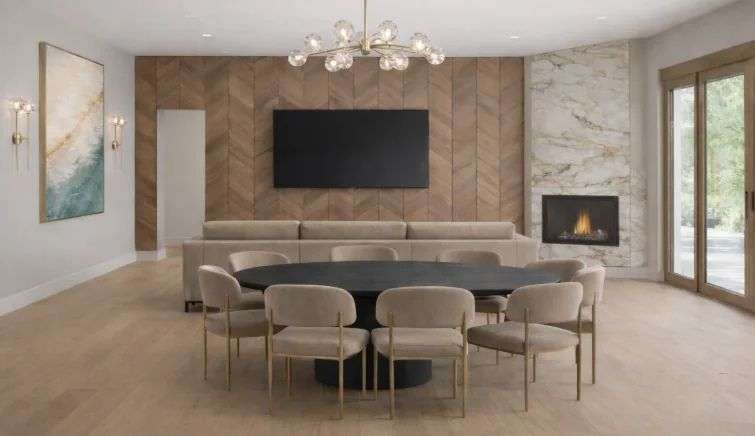
Great rooms have become especially common in newer Wine Country homes because they support the way families want to live. Open concept kitchen, dining, and living spaces create connection, flexibility, and a sense of openness that works beautifully for both entertaining and everyday routines.
But while great rooms are designed to bring people together, they also need to support a wide range of everyday activities all within one connected space. Because so much happens within a great room, thoughtful design becomes incredibly important. Without intentional planning, these spaces can quickly start to feel visually chaotic, oversized yet somehow crowded, or difficult to keep functional for a busy family.
The good news is that creating a great room that feels functional, family-friendly, and elevated does not necessarily require a major renovation. In many cases, the biggest transformation comes from thoughtful space planning, better furniture layouts, durable yet beautiful materials, and design decisions that reflect how your family actually lives.
When a great room is intentionally designed around daily routines, it becomes more than just an open concept space. It becomes the true heart of the home, supporting connection, comfort, and the natural rhythm of everyday life.
Families today want connection. Parents want to cook dinner while still being able to talk with their children or guests. They want spaces that feel open, flexible, and easy to gather in rather than a series of disconnected formal rooms that rarely get used.
Great rooms naturally support this lifestyle because they allow multiple activities to happen at once. One person may be cooking, another reading on the sofa, while children play nearby. The space feels active and lived in without separating everyone into different rooms.
But this openness also means the room works harder than almost any other area in the home. It needs to accommodate entertaining, relaxation, dining, storage, technology, traffic flow, and everyday messes, often all at the same time.
That balance between beauty and functionality is where thoughtful design becomes incredibly important.
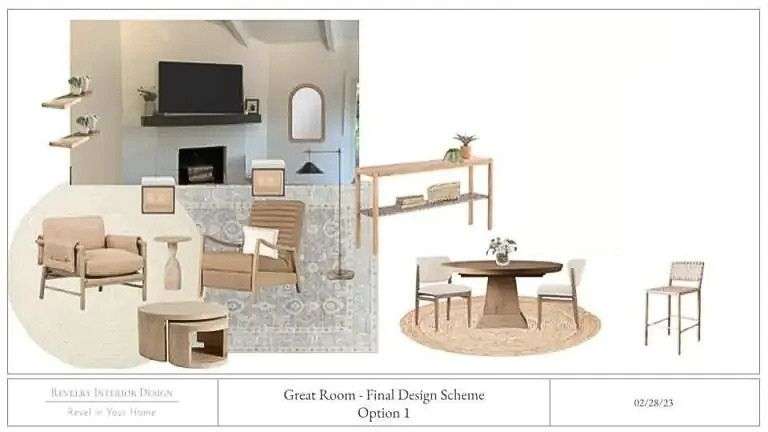
One of the biggest mistakes families make is designing a great room around how they wish they lived rather than how they actually live. A beautiful room that cannot handle backpacks, pets, spills, toys, or constant use will quickly start to feel stressful rather than supportive.
I always encourage clients to think honestly about how the space functions throughout the day. Where do kids naturally drop their things? Where does everyone gather? What pathways get used the most? Which areas constantly become cluttered?
When those realities are acknowledged from the beginning, the room becomes far more successful. The goal is creating a space that feels organized, welcoming, and resilient enough to support everyday family life without sacrificing sophistication.
One of the most common misconceptions I hear is that family-friendly interiors cannot also feel luxurious. In reality, some of the most beautiful homes are the ones designed with comfort and practicality in mind from the beginning.
For busy families, this often means selecting:
Performance upholstery has become especially important in great room design. Families should not feel anxious every time someone sits down with a snack or a glass of wine. A home should support real life.
That does not mean sacrificing beauty. Many performance fabrics now feel just as soft and elevated as traditional upholstery while offering significantly more durability.
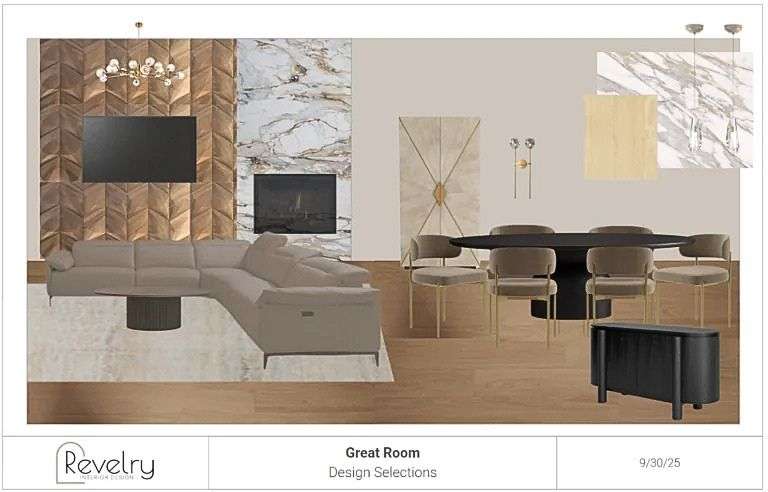
A great room can have beautiful furnishings and still feel awkward if the scale and layout are not working properly. Furniture placement impacts everything from conversation flow to how children move through the room. If pathways are blocked, seating feels disconnected, or the television becomes the only focal point, the entire space can start to feel chaotic rather than comfortable and inviting.
One challenge I see frequently is furniture that is not properly proportioned for the space or arranged in a way that supports how the room functions. In some great rooms, the furniture is too small, which can make the space feel disconnected and unfinished.
In others, pieces may be too large or positioned in a way that interrupts circulation and makes the room feel crowded. Scale in a great room is much more nuanced than simply filling a larger space with larger furniture.
Thoughtful space planning helps create clear circulation paths, comfortable gathering zones, better visual balance, and a stronger sense of cohesion throughout the room. In many cases, the solution is not buying more furniture, but selecting and arranging pieces more intentionally so the space feels both functional and visually balanced.
For busy families, storage can completely change how a great room functions. Because open concept spaces are visible from nearly every angle, clutter tends to feel amplified. Toys, electronics, blankets, backpacks, and everyday items quickly become part of the visual landscape if there is nowhere for them to go.
This is why I often incorporate:
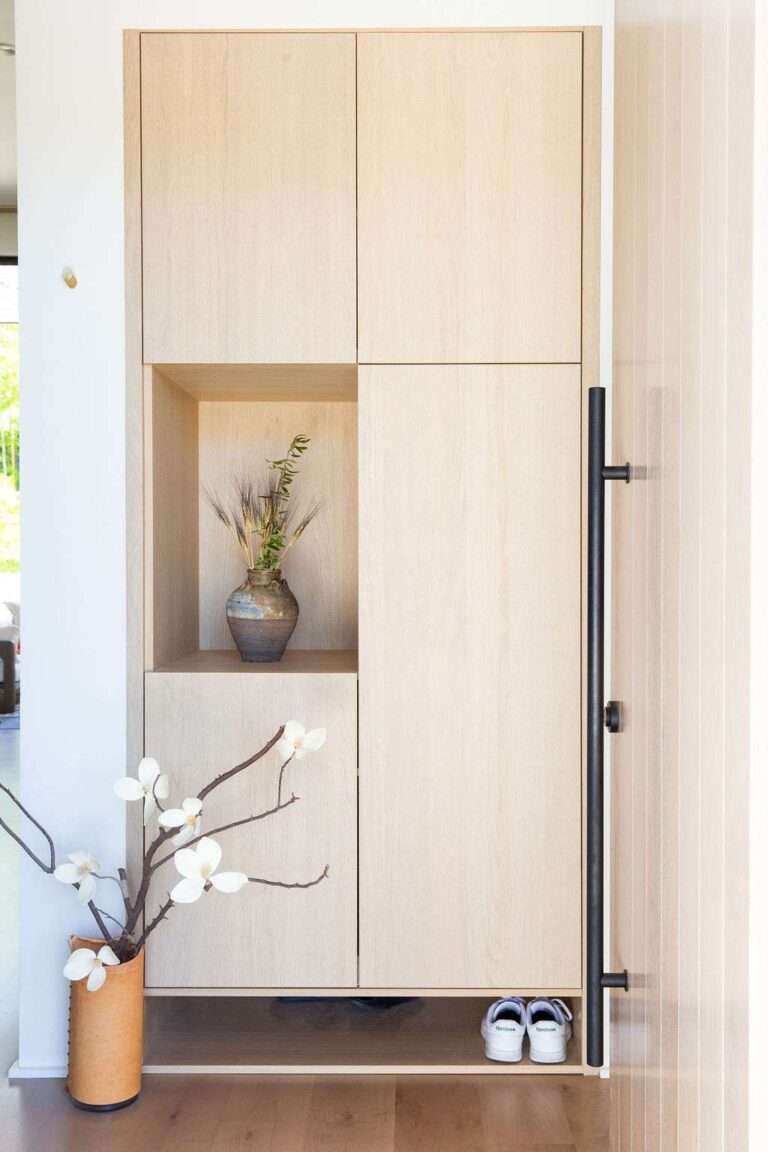
Good storage allows the room to transition more easily between everyday family life and entertaining. It creates flexibility without making the space feel overly rigid or sterile.
One of the biggest goals in family-oriented great room design is creating visual calm. Busy families already experience enough stimulation throughout the day. Home should feel like a place where everyone can exhale a little.
This often comes from simplifying rather than adding more. Thoughtful lighting, layered textures, cohesive materials, and a restrained color palette can make even a very active household feel calmer and more grounded. When every decision feels intentional, the room naturally begins to feel more settled and cohesive.
That emotional feeling matters just as much as the aesthetics themselves.
A great room is a large open concept space that combines the kitchen, dining, and living areas into one connected environment designed for gathering and everyday living.
Durable materials, thoughtful storage, proper furniture scale, and intentional layouts all help make great rooms more functional for busy families.
Absolutely. Performance fabrics allow families to enjoy beautiful upholstery while reducing stress around spills, stains, and everyday wear.
Strategic storage, cohesive furnishings, and thoughtful zoning help open concept spaces feel calmer and more organized.
Many homeowners focus only on aesthetics without considering how the room actually functions for their daily routines and family needs.
The best great rooms are not just beautiful. They are deeply functional spaces that support connection, comfort, and everyday life. If your great room feels unfinished, overwhelming, or difficult to pull together, we would love to help.
Book a complimentary Discovery Call and let’s talk about creating a space that feels cohesive, elevated, and designed around the way your family truly lives.
Also, be sure to subscribe to our monthly newsletter for design inspiration, insights, and a behind-the-scenes look at what’s happening at Revelry.
Cheers,
Dana Feagles, Principal Interior Designer
Speak with our Principal Interior Designer, Dana Feagles.
Tell us about your project, your needs, your hurdles, and your aspirations.
Learn how we can help.