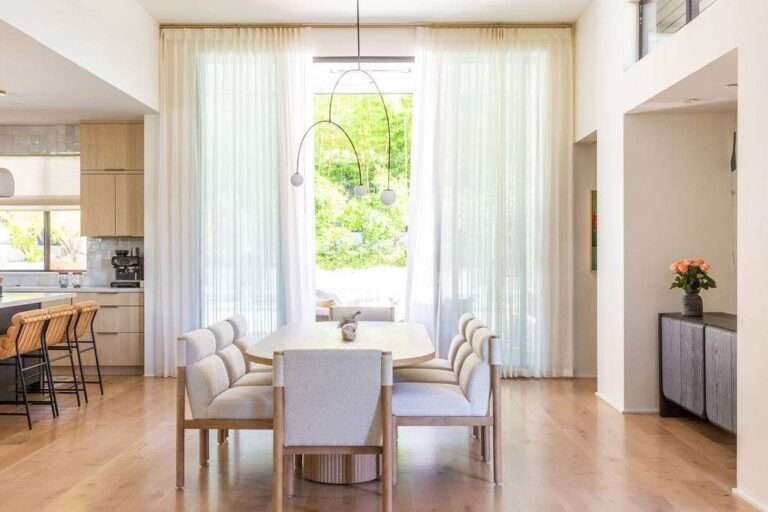
Designing a Wine Country Retreat That Balances Everyday Living and Entertaining

interior design for everyday living and entertaining
There’s something wonderful about living in Wine Country. The slower mornings, beautiful surroundings, and opportunities to gather around a table with good food, great wine, and even better company. It’s a lifestyle that naturally encourages us to enjoy our homes a little differently.
 
But while we often think about Wine Country homes as places for entertaining, they also need to function for everyday life.
 
Your home might host a dinner party for twelve on Saturday evening, but on Monday morning, it’s where you drink your coffee, answer emails, and settle into your regular routine.
 
I believe the most successful Wine Country interiors find a balance between those two experiences. They’re beautiful enough to make entertaining feel special, but comfortable and functional enough that you can enjoy them just as much when it’s only you at home.
 
The goal isn’t to create a home that’s always ready for a party. It’s to create one where everyday living and entertaining feel effortless.
 

At a Glance

  • A thoughtfully designed Wine Country home should support both everyday routines and memorable gatherings.
  • Flexible furniture layouts allow spaces to transition naturally between everyday living and hosting.
  • Indoor-outdoor living is an important consideration when designing homes in Northern California.
  • High-quality furnishings and materials make it easier to entertain without sacrificing comfort or style.
  • The best Wine Country retreats reflect the homeowner’s personality and lifestyle.

Designing a Wine Country Home Around the Way You Live

Before we start discussing furniture, finishes, or how many people you want to seat at your dining table, I like to understand how you actually spend your time at home.
 
Are you someone who loves hosting large dinner parties? Do you prefer smaller gatherings with a few close friends? Maybe your home is where the entire family comes together for holidays, or perhaps it’s primarily a quiet retreat where you escape from a busy schedule.
 
And just as importantly, what happens when you’re not entertaining?
 
These questions help us establish priorities for the design. Because a home that looks beautiful when it’s filled with guests should feel just as wonderful on an ordinary Tuesday afternoon.
 
For some clients, that means creating a great room where family and friends can comfortably gather, whether it’s an ordinary evening or a special occasion. For others, it might mean designing a kitchen that accommodates both cooking and conversation or a quiet sitting area where they can enjoy the view with a morning cup of coffee.
 
The most important thing is that the design reflects your lifestyle rather than an idealized version of how you think you should live.

Creating Flexible Living Spaces for Everyday Comfort and Entertaining

One of the biggest considerations when designing a home for both daily living and entertaining is flexibility.
 
A room shouldn’t have to serve only one purpose. With thoughtful space planning and the right furnishings, it can accommodate different activities without feeling like you’re constantly rearranging your home.

Furniture Layouts That Encourage Conversation

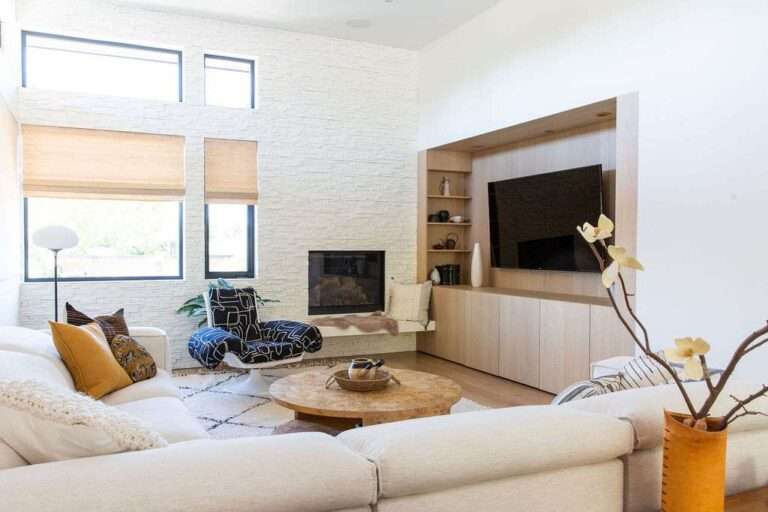
In many Wine Country homes, the great room becomes the center of activity. It’s where people gather before dinner, relax after a day of exploring the vineyards, or spend a quiet evening at home.
 
I like to think about how furniture arrangements can support all of those experiences.
 
A large sectional might be perfect for a family that loves movie nights, but it isn’t always the best solution for conversation. Sometimes a combination of sofas, lounge chairs, and smaller accent pieces creates a more inviting arrangement that allows people to interact naturally.
 
The key is considering scale, proportion, and how people move through the space.

Designing Multi-Purpose Rooms Without Sacrificing Style

Not every home needs a formal living room, separate entertaining lounge, and dedicated dining room.
 
In fact, some of the most successful interiors make better use of the spaces homeowners already have.
 
A beautiful console can serve as a display for artwork and collected objects during the week, then become a convenient serving area when guests arrive. A pair of lightweight accent chairs can move between conversation areas. An extendable dining table can accommodate larger gatherings without taking up unnecessary space every day.
 
These are relatively simple considerations, but they make a significant difference in how comfortably a home functions.

Designing a Wine Country Kitchen and Dining Area for Gathering

In my experience, no matter how thoughtfully you arrange the rest of your home, people always seem to find their way into the kitchen.
 
It’s where conversations begin, glasses are refilled, and everyone gathers even when there’s a perfectly beautiful living room just a few steps away.
 
Rather than fighting that tendency, I prefer to design around it.

Creating a Kitchen That Supports Cooking and Conversation

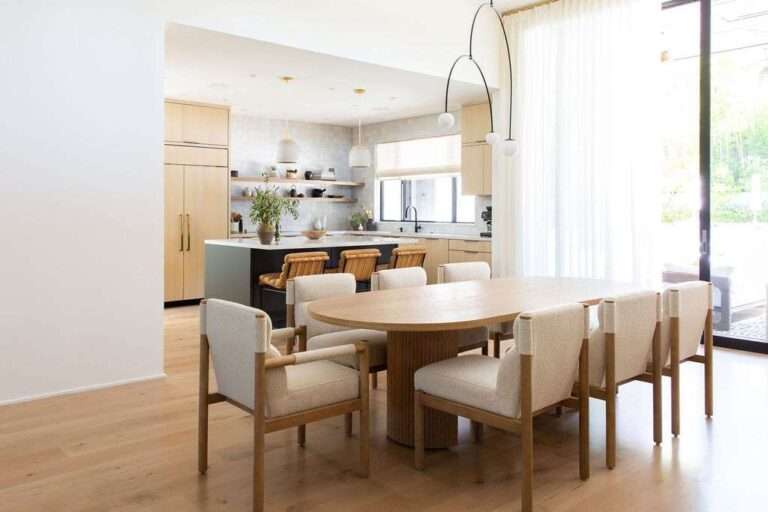
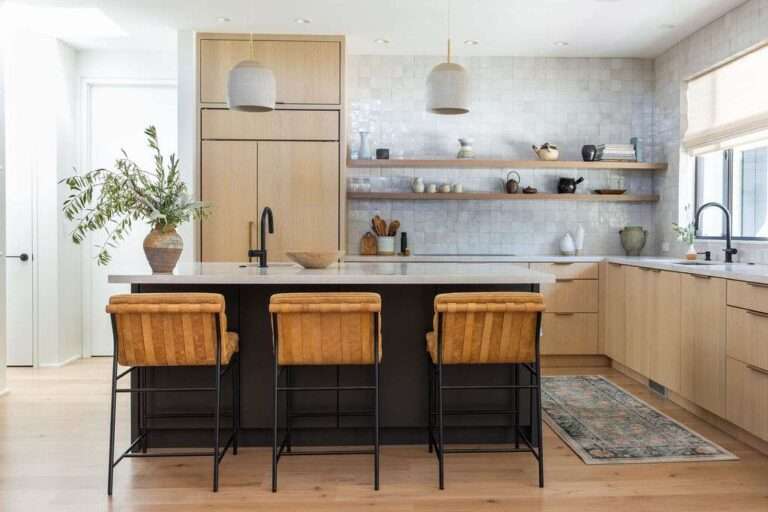
If you enjoy entertaining, the kitchen should allow you to prepare food while still feeling connected to your guests.
 
That doesn’t necessarily mean you need an enormous kitchen or an oversized island. It’s more about understanding how the space functions.
 
Is there enough room for people to gather without interfering with food preparation? Can guests comfortably help themselves to a drink? Is there a natural place to set out appetizers without taking over your entire workspace?
 
Thoughtful circulation, comfortable seating, and well-planned storage can make hosting feel much easier.
 
And when the party is over, those same details make the kitchen more enjoyable for everyday use.

A Dining Room That Feels Special Beyond Dinner Parties

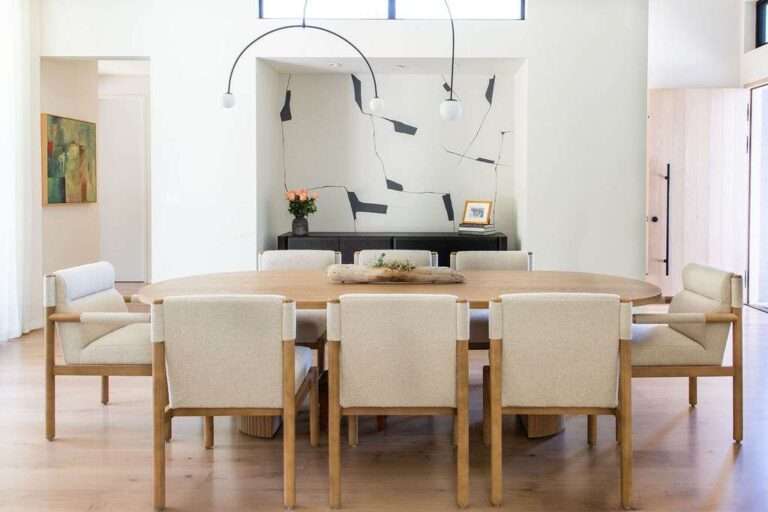
I love a beautiful dining room, but I don’t believe it should sit unused until the next holiday or special occasion.
 
Your dining space should be somewhere you genuinely want to spend time.
 
That might mean investing in comfortable upholstered dining chairs, incorporating beautiful lighting that creates a warm atmosphere, or selecting a table that feels equally appropriate for a casual breakfast and a more elaborate dinner.
 
Layering artwork, texture, and personal details can also make the room feel inviting rather than overly formal.
 
The goal is to create a space that makes an ordinary dinner feel a little more special without making every meal feel like an occasion that requires dressing up.

Embracing Indoor-Outdoor Living in Northern California Homes

One of the things that makes living in California Wine Country so special is the connection to the outdoors.
 
Beautiful views, mild evenings, and the natural landscape create opportunities to extend the way we live beyond the walls of our homes.
 
When designing interiors in Napa and Sonoma, I like to consider that relationship from the beginning.

Creating a Natural Flow Between Indoor and Outdoor Entertaining Spaces

Indoor-outdoor living works best when the spaces feel connected rather than completely separate.
 
That connection might come through a consistent color palette, complementary materials, or furniture arrangements that encourage movement between the two areas.
 
For example, if your living room opens onto a covered patio, we might consider how the seating areas relate to one another. Can guests move comfortably between them? Does the outdoor space feel like an extension of the interior? Are there convenient places to set down a drink or gather for conversation?
 
These details help the home feel cohesive while allowing each area to have its own purpose.

Designing Outdoor Spaces for More Than Entertaining

It’s easy to imagine an outdoor dining table filled with friends on a beautiful summer evening. But I also encourage clients to think about how they might enjoy that same space when no one else is around.
 
Perhaps it’s a comfortable lounge chair where you can read in the afternoon or a small seating area where you enjoy your morning coffee.
 
Creating those everyday opportunities makes outdoor living feel like a natural part of your home rather than something reserved for entertaining.

Choosing Durable, Comfortable Furnishings for Wine Country Living

There’s a common misconception that a home designed for entertaining needs to feel polished and perfect at all times.
 
I don’t agree.
 
In fact, I think some of the most inviting homes are the ones where people feel comfortable settling in, putting their feet up, and staying a little longer than they originally planned.
 
That sense of ease comes from choosing furnishings and materials that are beautiful but also appropriate for real life.

Performance Fabrics and Quality Materials Make Entertaining Easier

If you’re constantly worried about someone spilling a glass of red wine on your sofa, you’re probably not enjoying your own party.
 
This is where thoughtful material selections become so important.
 
Performance fabrics, durable upholstery, and quality furnishings allow us to create sophisticated interiors that can handle everyday use and the occasional accident.
 
I also love incorporating natural materials that develop character over time. Wood, stone, and beautifully textured textiles can bring warmth and depth to a room without feeling overly precious.
 
Of course, every material has its own maintenance requirements, so we consider those alongside the aesthetic.
 
Luxury shouldn’t mean being afraid to live in your home. It should mean having a home that’s been thoughtfully designed to support the life you want to enjoy.

Using Lighting to Create the Right Atmosphere for Every Occasion

Lighting is one of those elements that can completely change the experience of a room, yet it’s often overlooked until the end of a project.
 
The lighting you want while preparing dinner is probably very different from what you want when you’re sitting around the table with friends.
 
That’s why I prefer to think about lighting in layers.
 
Ambient lighting provides overall illumination, task lighting supports specific activities, and decorative or accent lighting introduces warmth and character.
 
Dimmers are especially valuable because they allow a space to transition throughout the day.
 
Bright, functional lighting in the morning can become softer and more intimate in the evening. A beautiful pendant over the dining table can create a focal point, while lamps and accent lighting make surrounding spaces feel warm and inviting.
 
When lighting is considered as part of the overall design, the home becomes much more adaptable to different experiences.

Frequently Asked Questions About Designing a Wine Country Home That Balances Everyday Living and Entertaining

How do I know whether my home needs a renovation or simply an interior refresh?

If your home’s layout functions well but the furnishings, lighting, or overall aesthetic no longer suit your needs, an interior refresh may be enough. Structural or significant functional issues, however, may call for a renovation.

How can I keep my home organized when I frequently entertain?

Having dedicated storage for entertaining essentials makes preparation and cleanup much easier. Consider where you’ll keep extra dinnerware, serving pieces, table linens, and other items you don’t necessarily use every day. The goal is to make these things accessible when you need them without having them take over your everyday living spaces.

What should I consider when designing a home for indoor and outdoor entertaining?

Think about how people will move between the two spaces. Easy access to outdoor seating, convenient places to set down drinks, and durable furnishings near frequently used entrances can make hosting more comfortable.

Should I furnish my entire Wine Country home at once?

Not necessarily. Some homeowners prefer to complete their interiors in phases, especially if they’re still learning how they use a new property. The important thing is to establish an overall design direction before making major purchases. That way, each room can be completed on its own timeline while still feeling connected to the rest of the home.

Balancing Beautiful Design With Everyday Functionality

The most successful Wine Country retreats aren’t necessarily the ones with the largest kitchens, the most elaborate entertaining spaces, or the most impressive furnishings.
 
They’re the ones where everything works together.
 
The furniture is comfortable. The layout makes sense. The materials are appropriate for the way the home is used. There’s enough flexibility to welcome guests without compromising the spaces you enjoy every day.
 
And perhaps most importantly, the home feels like a genuine reflection of the people who live there.
 
At Revelry Interior Design, that’s always our goal. We want to create homes that feel refined and personal, but never so formal that you’re hesitant to truly enjoy them.
 
Because whether you’re hosting a celebration or spending a quiet evening at home, both experiences deserve to feel special.
 
If you’re ready to create a home that feels equally suited to everyday living and entertaining, book a complimentary Discovery Call. We’d love to learn more about your home, your lifestyle, and how we can bring your vision to life.
 
Also, be sure to subscribe to our monthly newsletter for interior design inspiration, practical insights, and a glimpse behind the scenes at Revelry.
 

Cheers,

Dana Feagles, Principal Interior Designer

Book a Complimentary Discovery Call

Speak with our Principal Interior Designer, Dana Feagles. 

Tell us about your project, your needs, your hurdles, and your aspirations. 

Learn how we can help.

Stay up-to-date on interior design trends and the Wine Country lifestyle!

2026 © Revelry Interior Design, Inc. Sonoma County, CA. All rights Reserved.